How to make guests feel at home the moment they walk in
There’s a particular feeling you get when you walk into someone’s home and immediately feel welcome. The temperature is right, something smells good, and there’s a sense that the space was prepared with you in mind. You relax before you’ve even sat down.
The good news is that it doesn’t take a lot of effort or expense to get there. It mostly takes a little intention.
First Impressions Start at the Front Door
Before a guest ever steps inside, they’re already forming an impression. The front door, the porch, the entryway. These set the tone for everything that follows.
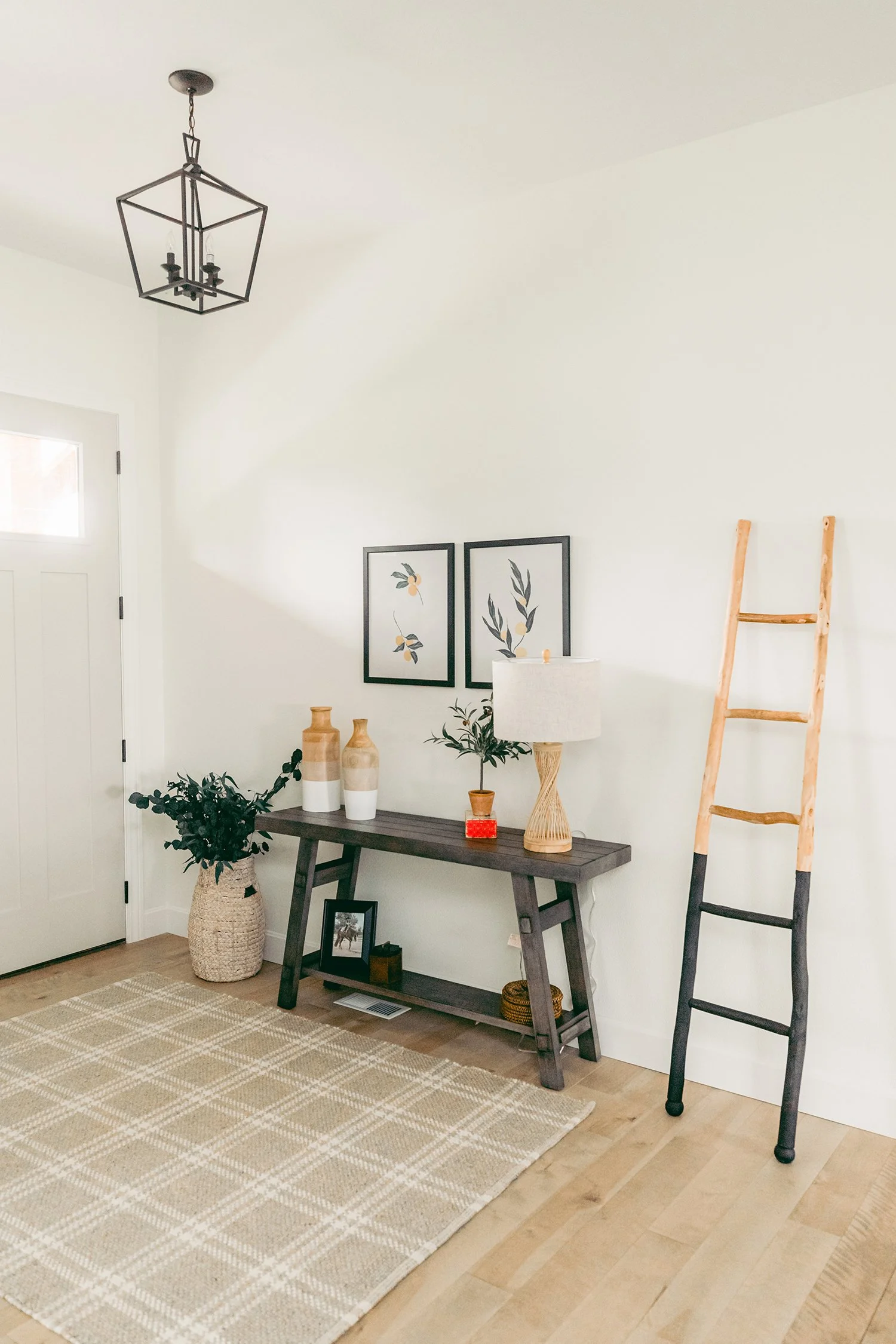
You don’t need to overhaul your exterior. A clean doormat, a potted plant, and a working porch light go a long way. If you have an entryway inside, keep it clear and calm. A place to set down a bag, a hook for a coat, and maybe a small lamp or candle nearby signals that this is a home that pays attention to the details.
Clutter at the entry creates a low-level sense of chaos that guests carry with them into the rest of their visit. A tidy, welcoming entry does the opposite. It tells people they can exhale.
Scent Sets the Stage
Scent is one of the fastest ways to make someone feel comfortable or uncomfortable in a space. We often don’t notice it consciously, but we’re always responding to it.
A home that smells fresh and inviting puts people at ease right away. This doesn’t mean overpowering a room with candles or air freshener. In fact, strong artificial scents can have the opposite effect, feeling cloying or trying too hard. What works better is something subtle and natural.
Good options include a soy candle with a warm, simple scent like cedar, vanilla, or linen. A diffuser with eucalyptus or a light citrus. Something baking in the oven, even if it’s just a store-bought item warmed up. Fresh flowers, which bring their own gentle fragrance. The goal is a home that smells clean and lived-in, not like a department store.
Get the Lighting Right
Lighting does more for atmosphere than almost anything else, and it’s one of the easiest things to adjust before guests arrive.
Turn off overhead lights, or at least dim them, and rely on lamps and candles instead. Warm light makes people look good and feel relaxed. It slows the energy of a room down in the best way. If you’re hosting in the evening, a few candles on the table or a cluster on the coffee table can shift the entire feel of a space.
Temperature matters too. A warm room feels inviting. A cold one creates subtle tension. If you’re expecting guests, bump the heat up slightly before they arrive. As the room fills with people, it will balance out. Nothing makes a guest feel less at home than sitting in a chilly house with their coat still on.
Have Something Ready for Their Hands
One of the simplest ways to make guests feel welcome is to have something ready for them to eat or drink the moment they arrive. It doesn’t need to be elaborate.
A pitcher of water with lemon on the counter. A bowl of nuts or olives. A bottle of wine already open. These small gestures communicate that you were thinking about their comfort before they got there. It also gives people something to do with their hands while the initial greetings and conversations find their footing.
If you’re hosting a dinner, having an appetizer or a drink ready at arrival means guests aren’t standing around waiting while you finish cooking. It keeps the energy easy and relaxed from the start.
Create Spaces for People to Settle Into
Think about where your guests will actually spend time, and make sure those spaces are set up to be comfortable and inviting before anyone arrives.
Plump the pillows. Fold a throw blanket over the arm of the sofa. Clear the coffee table so there’s somewhere to set a glass. Move any coats or bags out of sight. These small adjustments take minutes and make a room feel genuinely ready for company rather than just presentable.
If you have a space where people tend to cluster, like a kitchen island or a living room sectional, pay special attention to it. Make sure there’s enough seating, good lighting, and easy access to drinks and snacks. People should be able to relax without having to ask for anything.
The Small Details That Stick
Often what guests remember most isn’t the food or the decor. It’s how they felt. The details that communicate genuine care tend to stay with people.
A guest bathroom stocked with hand soap, a clean towel, and maybe a small candle. Background music at a volume low enough to talk over easily. Knowing a guest’s dietary preference and having something they can eat without having to ask. Using someone’s name when you greet them at the door.
None of these things are complicated. They’re just thoughtful. Hospitality at its core is about making people feel seen and considered. When guests sense that their comfort was on your mind before they arrived, they settle in quickly and the evening takes care of itself.
You Don’t Have to Have a Perfect Home
It’s worth saying plainly: you do not need a beautiful, spotless, or perfectly decorated home to be a wonderful host.
Guests are not coming to evaluate your space. They’re coming to spend time with you. What makes people feel welcome isn’t an impressive home. It’s warmth, ease, and the sense that their presence is genuinely wanted.
A home that’s lived-in and comfortable, where the host is relaxed and present, will always feel better to guests than a showroom that feels too precious to relax in. Clean is important. Perfect is not.
Prepare what you can, let go of the rest, and focus on the people in the room. That’s what hospitality really is.
What’s one thing you always do to help guests feel at home? I’d love to hear your go-to in the comments.